
Fiber optical transceivers are indispensable devices in network data transmission. It is widely used in solving long-distance transmission and can solve the practical problems of many projects. It is necessary to be familiar with and understand its use. So, let's follow SINTAI to talk about those things about fiber transceivers.
Fiber optical transceiver is an Ethernet transmission media conversion unit that interchanges short-distance twisted-pair electrical signals and long-distance optical signals. It is also called a photoelectric converter in many places. Fiber optical transceiver products are generally used in actual network environments where Ethernet cables cannot cover and ical fibers optical must be used to extend the transmission distance. And they are usually located in the access layer application of the broadband metropolitan area network, such as high-definition video image transmission for monitoring and security engineering. It also plays a huge role in helping connect the last mile of fiber to the metro and beyond.
Learn about the optical transceiver only through the concept, you may be a little confused. Then we will further understand it from its functional characteristics. In short, the role of fiber transceivers is the mutual conversion between optical signals and electrical signals. The realization process is as follows: convert the electrical signal into an optical signal, transmit it through an fiber optical, convert the optical signal into an electrical signal at the other end, and then connect to routers, switches and other equipment.
1. Provide ultra-low latency data transmission.
2. Completely transparent to the network protocol.
3. The fiber transceiver uses a dedicated chip to realize wire-speed data forwarding. It is programmable and can combine multiple functions on a single chip. It has the advantages of simple design, high reliability, low power consumption, etc., which can enable the device to obtain higher performance and lower cost.
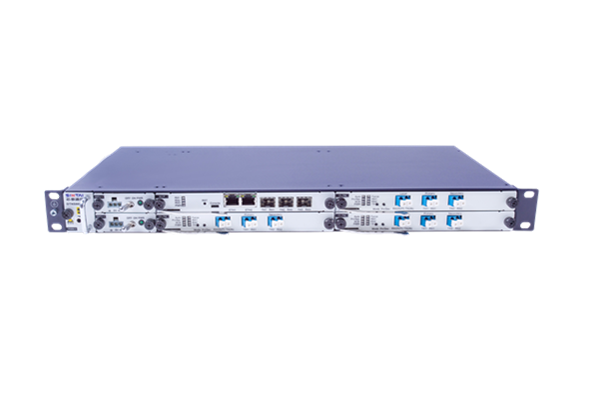
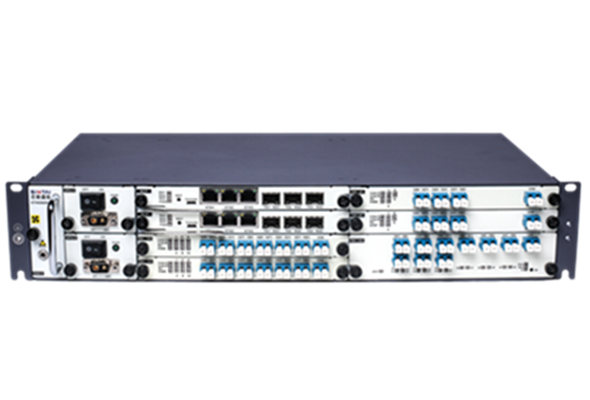
4. Rack-type equipment can provide hot-swappable function, which is convenient for maintenance and uninterrupted upgrade.
5. The network management equipment can provide functions such as network diagnosis, upgrade, status report, abnormal situation report and control, and can provide complete operation log and alarm log.
6. The device supports ultra-wide power supply voltage to realize power protection and automatic switching.
7. Support a wide operating temperature range.



 English
  русский
  Indonesia
  Español
  português
  العربية
  français
  Deutsch
  हिंदी
हिंदी  tiếng việt


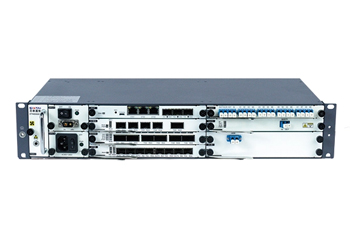
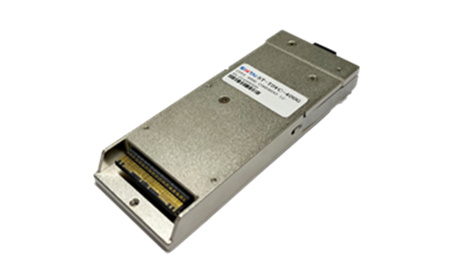
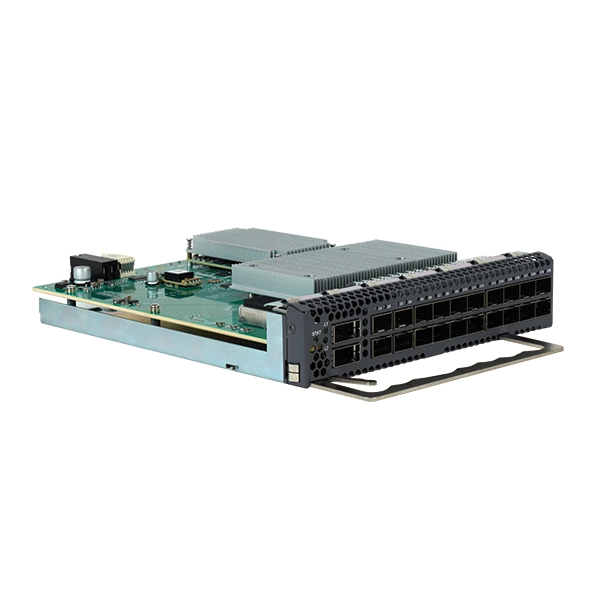
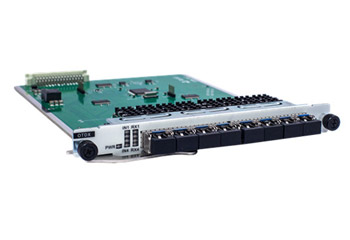
-3.webp "2x400G→2x400G Muxponder(CFP2)")